 Gutter Clean
 Before
  After
After Spokane, WA — Licensed & Insured
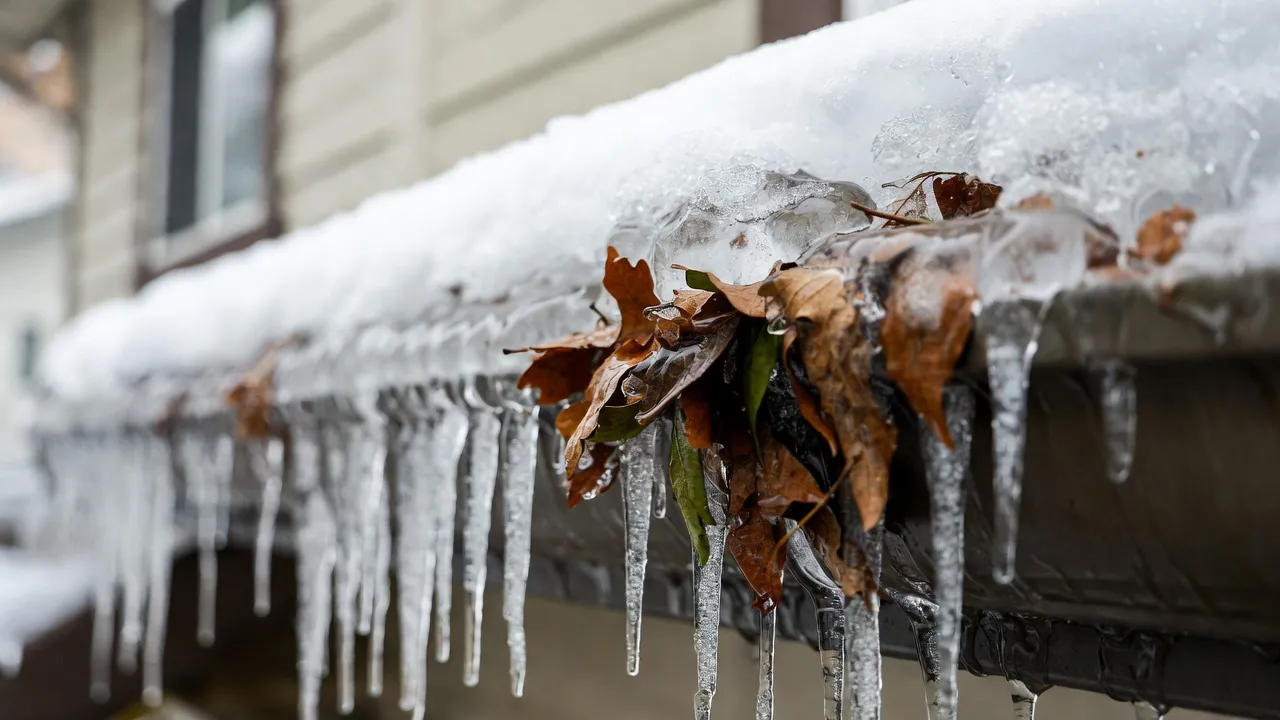
Ice dams form fast in Spokane winters and can push water under your shingles within hours. We use professional low-pressure steam equipment to remove ice dams safely — no chipping, no salt, no roof damage. Emergency same-day service available when you need it most.
Call Now — Same-Day Service
509 267 6458
Open today · Mon–Sat 9am–5pm
Get a Free Ice Dam Removal Estimate
Emergency requests · Same-day response
Understanding ice dams
An ice dam is a ridge of ice that forms along the lower edge of a roof, typically at the gutter line. As snow accumulates on the roof, heat escaping from the attic warms the upper portion of the roof deck and melts the bottom layer of snow. That meltwater flows down the roof until it reaches the overhang, where there is no attic heat beneath and the temperature is at or below freezing. The water refreezes at the eave, building up layer after layer into a solid ice ridge.
Once the ice dam is established, it creates a barrier that traps subsequent meltwater behind it. That pooled water sits on the roof surface with nowhere to go but under the shingles. Most asphalt shingles are designed to shed water flowing downward — they are not waterproof against standing water. Capillary action and gravity push the water up under the shingle tabs, through the underlayment, and into the roof deck. From there, water follows the path of least resistance into your attic insulation, ceiling drywall, and wall cavities.
The process can repeat all winter long. Each day of partial thaw followed by overnight freezing adds to the ice dam and extends the window for water intrusion. Homeowners often do not notice the damage until they see water stains on ceilings, bubbling paint, damp insulation, or in severe cases, water actively dripping indoors.
Local conditions
Spokane is one of the worst cities in the Pacific Northwest for ice dam formation, and the reasons are built into the climate and housing stock. Several factors converge each winter to create ideal conditions.
Spokane winters are defined by temperature swings. A January day might reach 35 degrees in the afternoon and drop to 15 degrees overnight. That daytime thaw is enough to melt snow on a warm roof, and the overnight refreeze builds the ice dam. Unlike colder climates where the roof stays frozen solid all season, Spokane's constant cycling accelerates ice dam growth throughout the winter.
Spokane averages around 45 inches of snow per season, and individual storms can drop a foot or more in a single event. That deep snow cover insulates the roof from outside air temperatures, which means the heat escaping from the attic stays concentrated at the roof deck surface. The deeper the snow, the more the roof stays warm, and the more meltwater runs down to refreeze at the eave. Homes with pitched roofs and valleys — common throughout South Hill, Mead, and the Valley — accumulate snow in drifts that exacerbate the problem.
Many Spokane homes, particularly those built before 1990, have limited attic insulation and significant air leakage from the living space below. Recessed can lights, attic hatches, unsealed plumbing vents, and gaps around chimneys all allow warm indoor air to rise into the attic. That heat warms the roof deck from underneath, which is the primary driver of snowmelt and ice dam formation. Homes with cathedral ceilings are especially vulnerable because there is no attic space to insulate — the living space sits directly under the roof deck.
The real cost
Ice dams are not just a nuisance. They are a source of serious, progressive damage that compounds the longer they are left in place. Here is what happens when ice dams are ignored.
The most immediate damage is to the roofing itself. Standing water forced under shingles bypasses the water-shedding design and soaks into the underlayment and roof deck. Over days and weeks, the plywood or OSB sheathing swells, delaminates, and begins to rot. Once the roof deck is compromised, replacing individual shingles is not enough — the structural decking has to be cut out and replaced. This alone can run into thousands of dollars.
Water that penetrates the roof deck follows gravity and capillary action into the attic insulation below. Wet fiberglass insulation loses its R-value and clumps, meaning it stops insulating effectively even after it dries. The water continues through the drywall ceiling, appearing first as yellow or brown stains, then as bubbling or peeling paint, and eventually as active dripping. In finished attics or rooms with vaulted ceilings, the water runs down interior walls, ruining drywall, warping window frames, and soaking into baseboards. If the leak reaches electrical wiring, the situation becomes a safety hazard.
The ice that forms inside the gutter weighs far more than water alone. A gutter packed with solid ice can weigh several hundred pounds — well beyond what standard hangers and brackets are designed to support. The gutters warp, crack at the seams, or pull completely away from the fascia board. Downspouts that are blocked with ice expand and split. By the time spring arrives, homeowners are looking at full gutter replacement in addition to whatever interior repairs are needed.
Water that overflows or backs up from ice-filled gutters soaks into the wooden fascia board running along the roof edge. In Spokane's wet winter conditions, that wood stays damp for weeks or months. The result is fungal rot that weakens the fascia to the point where it can no longer hold gutter hardware. Replacing rotted fascia means removing the gutters, cutting out the damaged wood, installing new pressure-treated lumber, and reattaching everything. It is a repair that costs significantly more than a single ice dam removal.
Our method
There are two ways to remove ice dams: mechanical chipping and low-pressure steam. Only one of them protects your roof.
Chipping involves breaking ice apart with hammers, picks, and heated cables. This method risks cracking asphalt shingles, damaging the sealant strips that hold tabs down, and loosening flashing around vents and chimneys. Any breach in the shingle surface created by chipping becomes a leak point that persists long after the ice is gone.
Steam removal uses purpose-built equipment that produces low-pressure, low-temperature vapor — not high-pressure hot water. The steam gently melts the ice from the surface down without any mechanical force applied to the roof. Shingles, underlayment, flashing, and gutters are never touched by tools. It is the method recommended by roofing manufacturers and insurance companies because it removes the ice without creating new problems.
Long-term solution
Removing an ice dam solves the immediate problem, but without addressing the underlying cause, the same dam will reform the next time conditions line up. A comprehensive prevention strategy targets the root cause and adds secondary defenses.
The single most effective prevention measure is adding insulation to the attic floor to R-49 or higher. This keeps the heat from your living space inside your home instead of warming the roof deck. For Spokane homes built before modern energy codes, this often means blowing in cellulose or fibreglass insulation to supplement what is already there. The Department of Energy recommends at least 14 to 18 inches of blown-in insulation for the Inland Northwest climate zone.
Proper ventilation works alongside insulation to keep the roof deck cold. The goal is continuous airflow from soffit vents at the eave to ridge vents at the peak. This moving air carries away any residual heat that reaches the attic space, so the roof surface stays at ambient outdoor temperature. Without adequate ventilation, even well-insulated attics can develop warm pockets that create localized snowmelt and ice dams.
Gaps around recessed lights, attic hatches, plumbing stacks, electrical runs, and chimney chases allow warm air to bypass insulation entirely. Sealing these penetrations with caulk, spray foam, or weatherstripping is often the most cost-effective single step a homeowner can take. An energy audit with a blower door test can identify exactly where the air leaks are.
Gutters that are full of leaves, pine needles, and debris cannot drain meltwater in the fall before temperatures drop. That standing water freezes solid and becomes the foundation of an ice dam. Having your gutters professionally cleaned in late October or early November — after the leaves are down and before consistent freezing — gives the system a chance to drain properly through the first part of winter.
Self-regulating heat cables installed along the roof edge and inside the gutters provide a secondary defense. They warm the eave just enough to keep meltwater flowing into the downspouts instead of refreezing. Heat cables do not fix the root cause — attic heat loss — but they are a practical supplement for homes where full insulation and ventilation upgrades are not immediately feasible. We install and maintain heat cable systems as part of our winter preparation services.
Signs to watch for
Do not wait for water to appear inside your home. By that point, the damage is already underway. Call us as soon as you notice any of the following warning signs:
We offer same-day emergency ice dam removal throughout Spokane, Spokane Valley, Liberty Lake, Mead, and surrounding areas during winter. Call 509 267 6458 as soon as you notice a problem — the faster we remove the ice dam, the less damage it causes.
Our work
Ice dam removal results from Spokane homes. We document every job so you can see the difference professional steam removal makes.
Before After Before After Before After See more of our work on the project gallery page.
“We woke up to water dripping from our ceiling light fixture in the middle of January. Called Gutter Clean and they were out within four hours. They steamed the ice dam off and the leaking stopped almost immediately. Saved us from serious drywall damage.”
“Had massive ice dams building up on both sides of our roof two winters in a row. The first year we tried a roof rake and made a mess of things. This year we called Gutter Clean and they handled it properly with steam. No damage to the shingles at all. They also gave us a prevention plan for next winter.”
“Our attic insulation was poor and we were getting ice dams every year. Gutter Clean removed the current ice dams the same day I called, then walked me through exactly what needed to happen in the attic to stop them from coming back. Honest, professional, and fast.”
An ice dam is a ridge of ice that builds up along the edge of your roof. It forms when heat from inside your attic warms the roof deck and melts the snow above. The meltwater runs down the roof until it reaches the colder eave, where it refreezes. Over time, this ice builds into a dam that traps water behind it, forcing it under your shingles and into your home.
Ice dam removal in Spokane typically ranges from $300 to $800 depending on the length of the ice dam, the severity of the buildup, and roof accessibility. Steam removal is more expensive than chipping but prevents damage to your roof. We provide free estimates and can often give a phone quote based on photos you send us.
We do not recommend it. Chipping at ice with a hammer, pickaxe, or roof rake can damage shingles, crack gutters, and create leaks. Salt and chemical de-icers can corrode metal flashing and damage landscaping below. Professional steam removal uses low-pressure, low-temperature vapor that melts the ice without any mechanical force, making it the only safe method for removing established ice dams.
Most residential ice dam removal jobs in Spokane take between one and three hours, depending on the length of the affected roof edge and the thickness of the ice. Steam equipment melts the ice efficiently without force. We can typically arrive the same day you call during the winter season.
The most effective prevention is addressing the root cause: heat loss into the attic. Adding insulation to the attic floor, sealing air leaks around vents and light fixtures, and ensuring proper soffit-to-ridge ventilation keeps the roof deck cold enough to prevent snowmelt. Secondary measures include installing heat cables along the eave, keeping gutters clear before winter, and having your roof and gutters inspected in the fall.
It can be. If you see water staining on your ceiling or walls, or water dripping inside, the ice dam is already pushing water under your shingles. That is an active leak that will worsen the longer the ice dam remains. We offer same-day emergency ice dam removal throughout the Spokane area during winter months. Call us as soon as you notice signs of interior water damage.
More questions? See the full FAQ page or call us directly.
Gutter Cleaning
Fall gutter cleaning prevents debris buildup that contributes to ice dams
Gutter Repair
Fix damaged gutters before winter to reduce ice dam risk
Gutter Installation
New seamless gutters with correct pitch drain properly year-round
Gutter Guards
Keep gutters clear in fall so water drains before freezing
Roof Cleaning
Remove moss and debris that hold moisture against your roof
Commercial Gutters
Scheduled winter maintenance for commercial properties
We remove ice dams across Spokane and the surrounding Inland Northwest. Here are some of the areas we serve most frequently.
View all 25 service areas →Free estimates · Same-day emergency service · Licensed & insured